Pilgrimage Guide
Crossroad in the Ancient Capital Pilgrimage Guide
Explore the pilgrimage spots featured in Crossroad in the Ancient Capital. Discover key locations and learn about access information.
- Main AreaKyōto
- Spots14
- CategoryMovie
- Release2003
Story & Setting
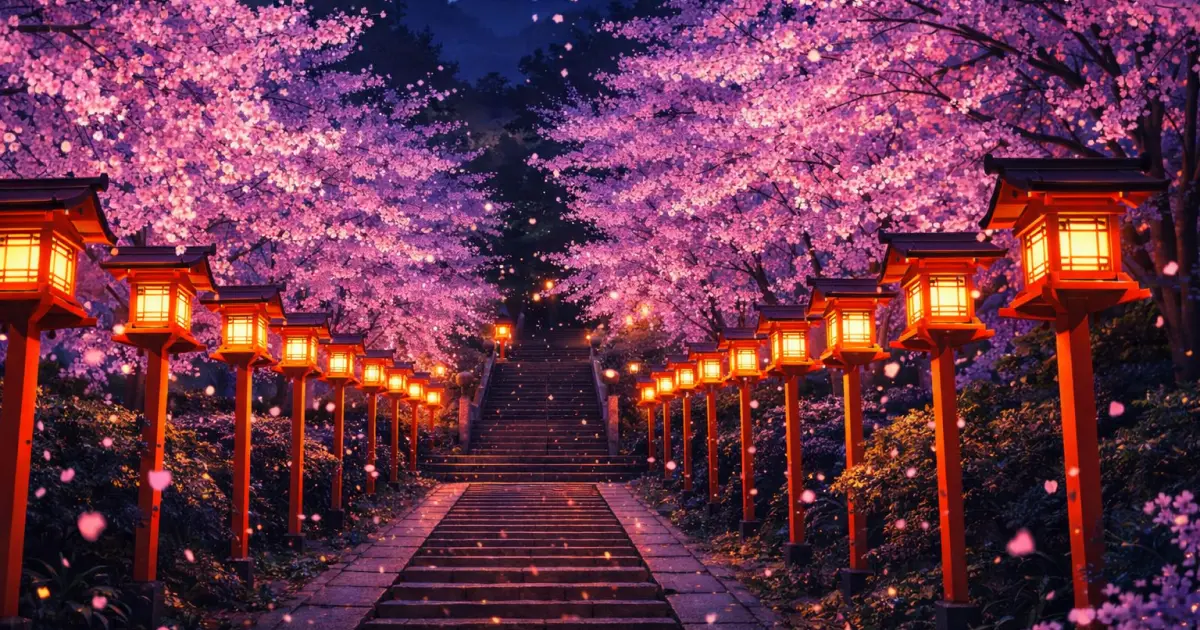
“Detective Conan: Crossroad in the Ancient Capital” is a Japanese-style mystery set in Kyoto that depicts a series of murders and the historical mysteries hidden within the ancient capital. Elements quintessentially Kyoto—such as temples and shrines, cobblestone streets, and rows of traditional townhouses—are richly woven throughout the film, making it a highly appealing destination for pilgrimages. With Heiji Hattori at the center of the story and the mystery unfolding through connections to kendo and the legend of Yoshitsune, the film’s world seamlessly blends with a historical exploration. Visually stunning, this is one of the series’ entries where walking the actual locations offers the best way to truly experience the film’s atmosphere.
Pilgrimage Map
The highlights are divided between the Kyoto Station area, the Shijo Karasuma to Kawaramachi area, and the Kurama side, so the map helps show how to group the route.
Featured Spots
With legends tied to a bridge and stone, city temples, a park, and a mountain temple in Kurama, the route lets visitors feel Kyoto's history and quiet tension while walking.

Model Course
Half-Day Pilgrimage Model Course
- Rokkakudo Temple
- Bukkoji Temple
- Benkei Stone
- Gojo Bridge
One-Day Pilgrimage Model Course
- Umekoji Park
- Rokkakudo Temple
- Bukkoji Temple
- Benkei Stone
- Gojo Bridge
Two-Day Pilgrimage Model Course
- Rokkakudo Temple
- Bukkoji Temple
- Benkei Stone
- Gojo Bridge
- Kurama-dera Temple
Access
By Rail and Shinkansen
- Tokyo Station → Kyoto Station (Tokaido Shinkansen): about 130 minutes
- Haneda Airport → Shinagawa Station: about 20-30 minutes by Keikyu Line
- Shinagawa Station → Kyoto Station (Tokaido Shinkansen): about 130 minutes
Getting Around the City
- Kyoto Station → Shijo Station: about 4 minutes by Subway Karasuma Line
- Kyoto Station → Umekoji Park area: use walking or a city bus
- Demachiyanagi Station → Kurama Station: about 30 minutes by Eizan Railway
By Bus
- Kyoto is easier to visit by combining trains and buses
- Areas around sightseeing spots can be crowded, so it is safer to check same-day conditions through Kyoto City's official transport guidance
Notes
- Kurama-dera Temple is away from the central city, so it is safer not to force it into a half-day route and to visit it on a day with more time
Frequently Asked Questions
What should I prioritize in half a day?
For half a day, it is easiest to focus on Rokkakudo Temple, Bukkoji Temple, Benkei Stone, and Gojo Bridge. They group well within the city and let you enjoy both Kyoto's temple-town atmosphere and places tied to legend.
Can I visit Kurama-dera on the same day?
Kurama-dera Temple is north of the central city, so it is safer to set aside time from the morning if visiting it on the same day. If combining it with central sights, allow extra travel time.
Can I visit using only public transport?
You can visit by combining rail, subway, buses, and walking. The Kurama side is easiest to understand by using the Eizan Railway, while central Kyoto is easier to plan around subway and walking routes.